
Municipal & Public Sector
Communications that hold when everything else is congested
Private spectrum for coverage you control, datacasting that reaches every unit in one transmission, and push-to-talk built for responders. Designed around the fact that public networks are least available exactly when a municipality needs them most.
The end state
One resilient layer under every agency
The direction is a single dependable infrastructure shared across public safety, transit, and utilities: real-time situational awareness across agencies, alerting that reaches every unit simultaneously, and communications that stay up during the severe weather and major incidents that take commercial networks down. Most municipalities are a long way from that, not for lack of intent, but because each agency procured its own system on its own cycle.
Wherever your agency is starting from
Public sector modernization happens on budget cycles and grant windows, rarely all at once. Each stage below is a defensible standalone purchase that does not strand what comes next.
Legacy radio and coverage gaps
Where you are
Voice runs on aging land mobile radio with known dead zones. There is little or no data capacity in the field, and during a major incident commercial networks congest exactly when you need them.
What we do
We deploy CBRS private wireless across the coverage area you need, giving field teams data capacity that is not competing with the public for bandwidth.
Data in the field
Where you are
Coverage exists and responders have devices, but the systems are separate: voice here, video there, telematics somewhere else, and none of it reaching the operations center together.
What we do
We integrate push-to-talk, vehicle telemetry, and live video into responder fleets on one network, and add datacasting so alerts and large files reach every unit at once.
Coordinated municipal operations
Where you are
Individual services work, and the goal is a shared operating picture across agencies that currently run separate systems and separate data.
What we do
We unify sensor, video, and telemetry feeds into one platform with AI assisting on detection and triage, so agencies work from the same picture during an incident.
What we are usually called in to fix
Public safety buyers judge on what happens on the worst day, not the average one. That is the right standard, and it is how these are designed.
| The challenge | How Trilogy NextGen solves it |
|---|---|
| Commercial networks congest during an emergency | Private spectrum and one-to-many datacasting, which are unaffected by consumer traffic load because they are not sharing capacity with it. |
| No bandwidth for video from vehicles | Municipal private cellular sized for uplink, since responder video is the opposite traffic profile to consumer networks, which are built for download. |
| Agencies working from different data | A shared platform combining sensor, video, and telemetry feeds, so incident command and the agencies responding see the same picture. |
| Reaching every unit at once with a large file or alert | Datacasting delivers one transmission to every receiver simultaneously, without per-device delivery time that grows with the size of the fleet. |
| Procurement and compliance constraints | We work within public procurement processes and the supply chain restrictions that apply to government buyers, including equipment eligibility under federal rules. |
In the field
One resilient layer under every agency
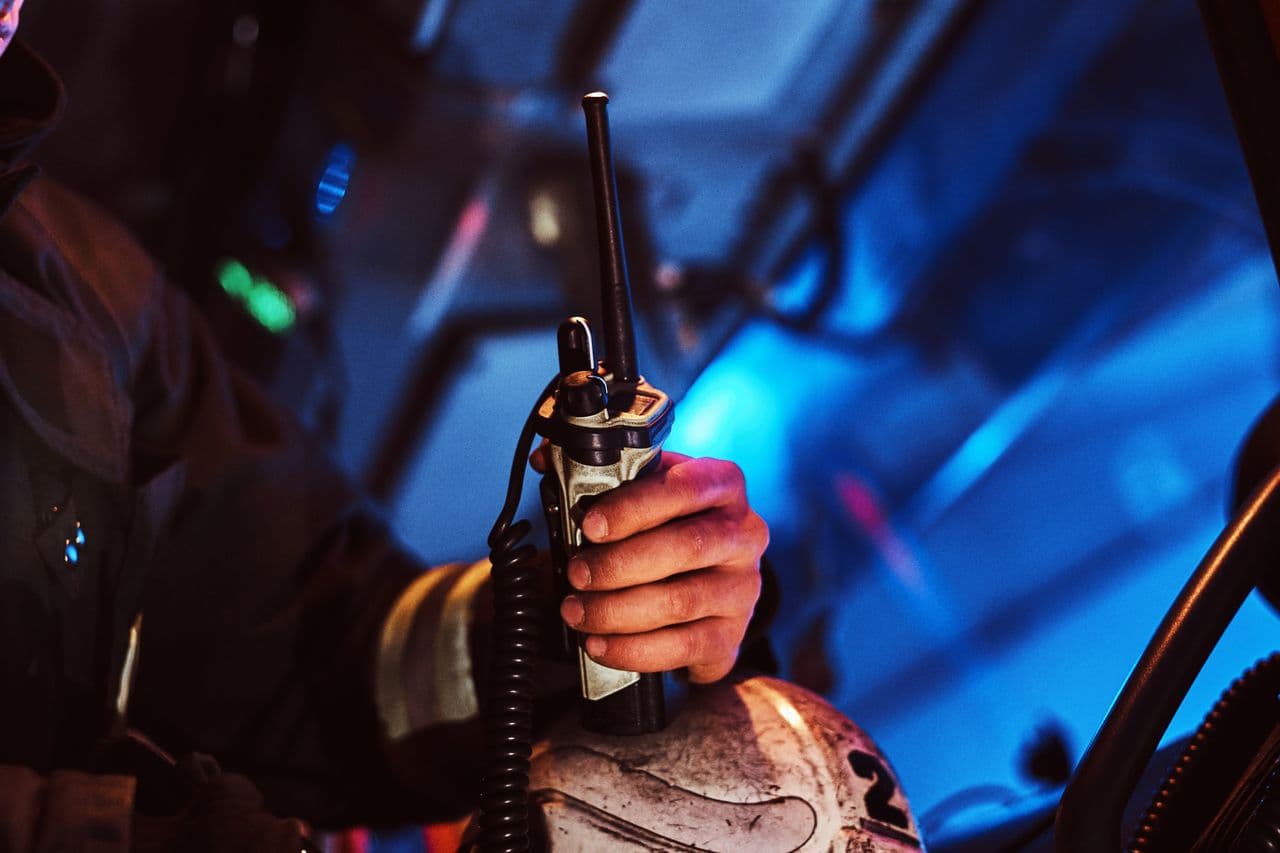
The layer that holds when the public networks are saturated and everyone needs them at once.
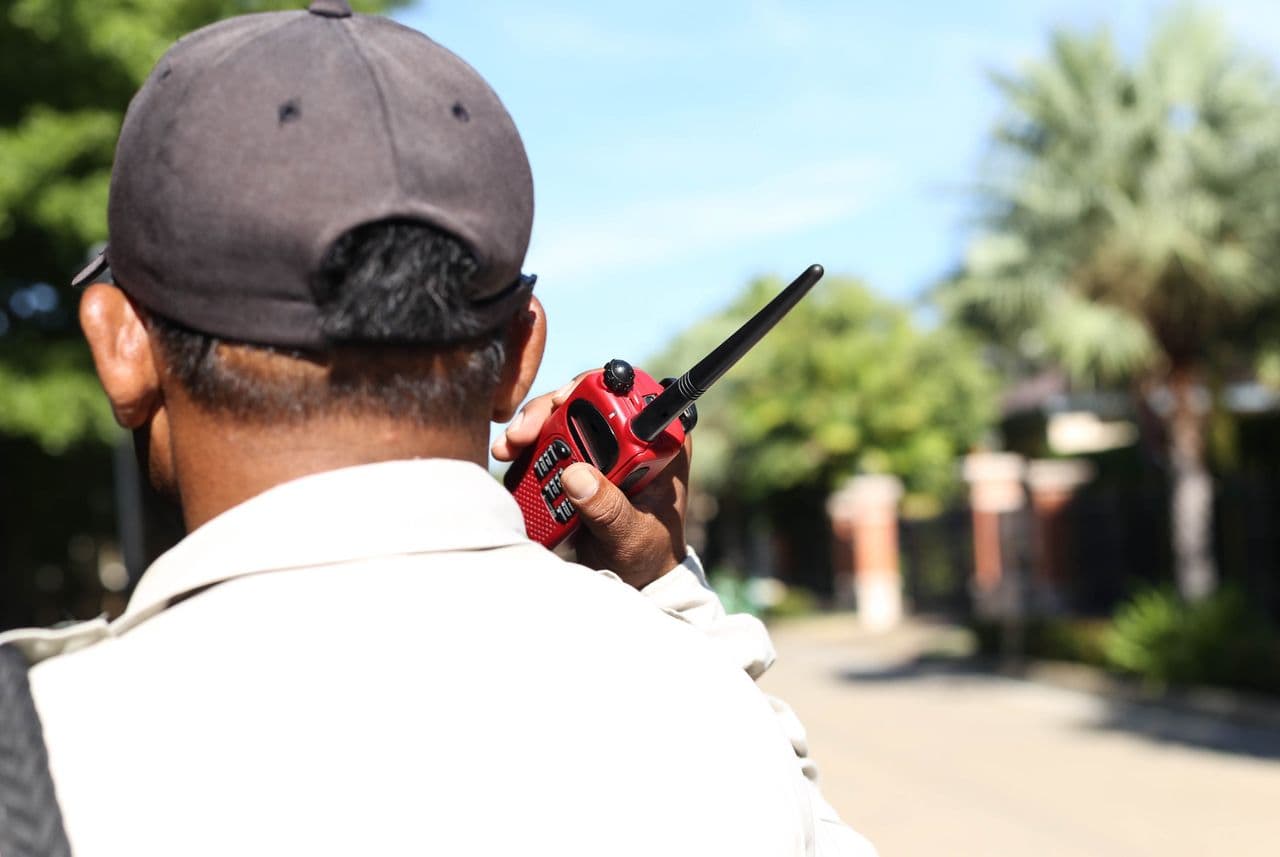
Field crews, inspectors and dispatch on one system rather than one per department.
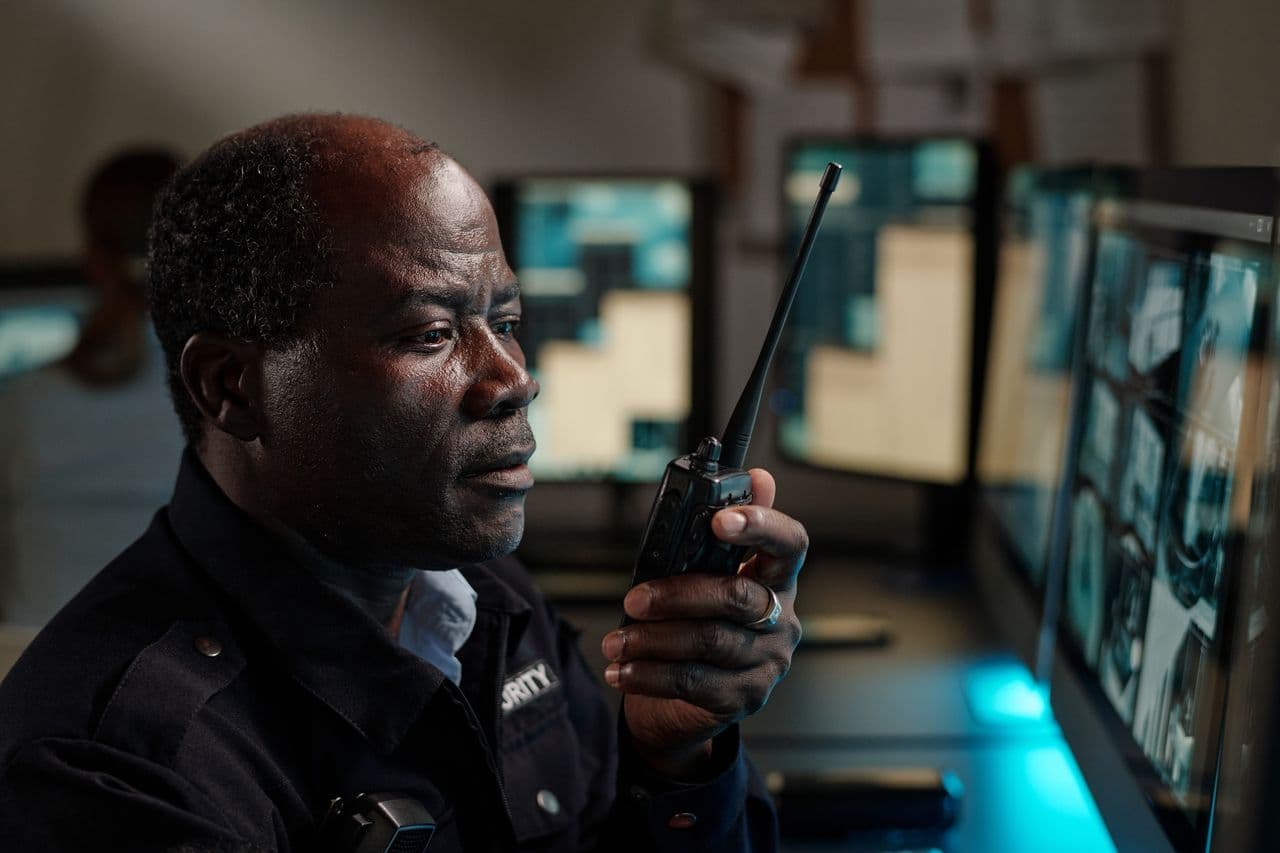
Monitoring and response share the network, so a call does not have to be relayed by hand.
Start with the coverage gap you already know about
Tell us the area, the agencies involved, and the funding route. We will map coverage and a phasing that fits how public procurement works.