
Datacasting
Send it once. Everyone gets it.
Secure one-to-many delivery of files, video, and alerts over broadcast and dedicated spectrum. The cost of reaching one endpoint and ten thousand is the same, and none of it touches the network your operations depend on.
The one-to-many advantage
Most networks send the same thing thousands of times
Standard delivery is one-to-one: every recipient gets their own copy, and the load grows with the audience. Datacasting sends once and lets every endpoint in the footprint receive it.
Six recipients, six transfers. Every recipient you add adds another copy of the same payload to the network.
Six recipients, one transmission. Every recipient you add changes nothing about what goes over the air.
Cost does not scale with audience
Sending to ten endpoints and sending to ten thousand consume the same spectrum. Unicast delivery multiplies with every recipient; broadcast does not.
The network stays free for everything else
Mass distribution is the traffic that saturates a network. Moving it to broadcast leaves your cellular and internet capacity available for the interactive work that needs it.
Everyone gets it at the same moment
One transmission reaches every receiver simultaneously, so there is no staggered rollout where some sites are hours behind others.
It works where the return path does not
Receiving does not require each endpoint to have a reliable uplink, which matters for remote sites, vehicles, and anywhere connectivity is thin or congested.
Side by side
The same job, two ways
Three distribution problems, and what changes when you stop sending the same payload over and over.
Software update to 5,000 devices
One-to-one delivery
5,000 separate transfers competing for bandwidth, typically scheduled overnight in batches and often still incomplete by morning.
With datacasting
One transmission. Every device receives the same payload in the same window, regardless of how many there are.
Video distribution to every site
One-to-one delivery
Each site pulls its own stream or copy, and the aggregate load lands on the same core network your operations depend on.
With datacasting
Sent once over dedicated spectrum, cached locally at each site, with no per-site load on the core network.
Emergency alert to a whole region
One-to-one delivery
Delivery time depends on network congestion, which is worst during exactly the events that trigger an alert.
With datacasting
Simultaneous delivery over spectrum reserved for the purpose, independent of commercial network load.
How it works
Four steps from content to cached payload
- 1
Content in
Files, video, or alert payloads are handed to the datacast platform from your existing systems.
- 2
Encode and schedule
Content is packaged, encrypted, and scheduled against available broadcast capacity.
- 3
One-to-many transmit
A single transmission goes out over broadcast or dedicated spectrum to every receiver in the footprint.
- 4
Receive and cache
Receivers validate and store the payload locally, ready for use without another network request.
Where it fits
Built for distribution at scale
Datacasting earns its place wherever the same payload has to reach many endpoints, and the network would rather not carry it.
Public safety alerting
Push alerts, situational video, and large files to responder devices across a jurisdiction without depending on commercial networks that congest during an incident.
Large-site industrial distribution
Deliver firmware, configuration, and media to thousands of devices across a large campus or plant without disturbing the operational network.
Broadcast and media workflows
Move content and metadata out to distributed endpoints and affiliate sites over spectrum you already hold.
Fleet and remote sites
Reach vehicles and remote locations where the uplink is unreliable but reception is not, so content lands regardless.
Work it out
Your payload, your endpoint count
Change the three numbers to match a job you actually run. Everything below is arithmetic on what you typed, not a benchmark.
Megabytes per send. A firmware image, a video, a map update.
Devices, vehicles or sites that need the same payload.
How often the same distribution job runs.
One-to-one delivery
4.77 TB
over the network per month, as 20,000 separate transfers
plus 19,940 more, not drawn
One-to-many delivery
1 GB
over the air per month, as 4 transmissions
One square is one transmission of the payload, drawn to scale up to 60 and counted after that. The broadcast figure does not move when you add endpoints, which is the whole argument. What it does not tell you is whether your spectrum and footprint suit the job, and that is the conversation to have.
In the field
One transmission, however many receivers
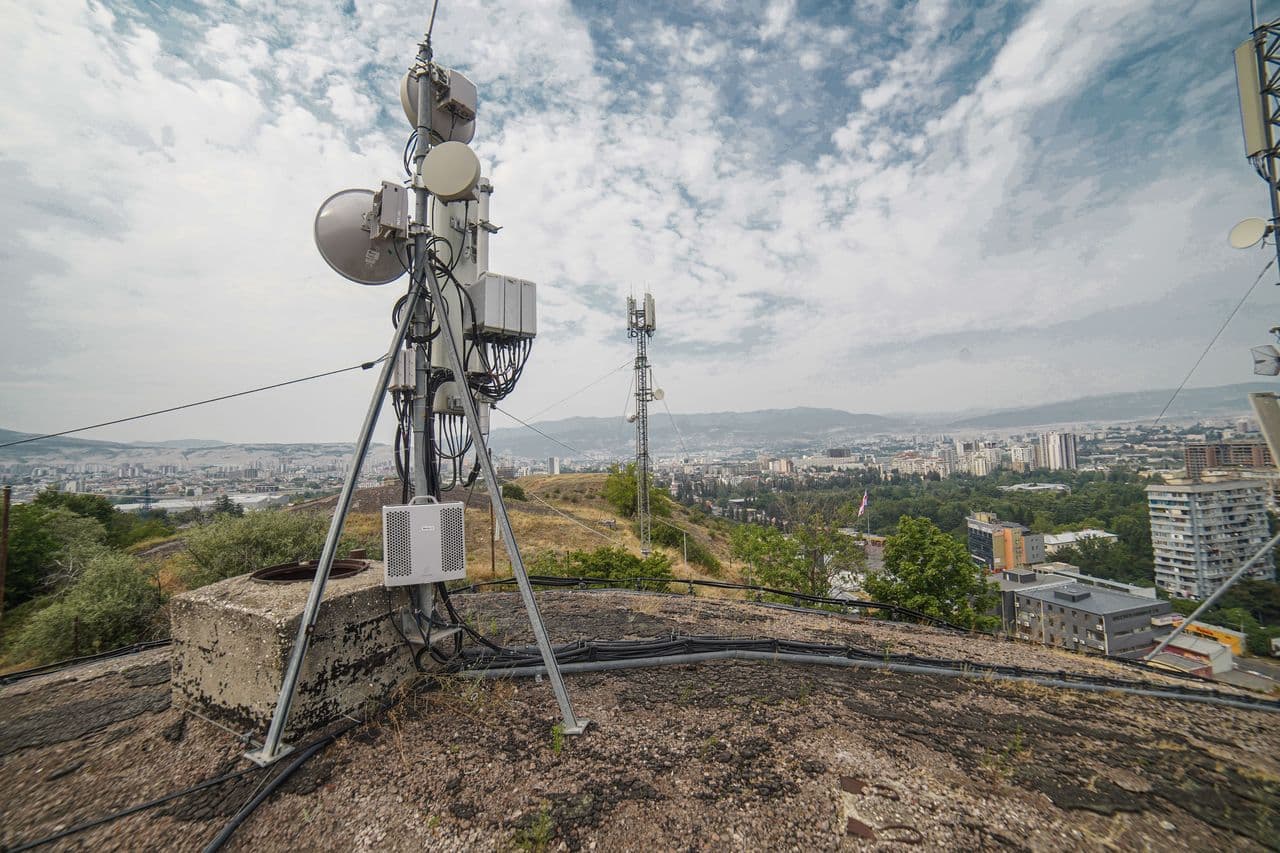
One transmitter reaches everyone in range, whether ten receivers are listening or ten thousand.

Classrooms and buses pull the same cached payload without consuming cellular data to do it.
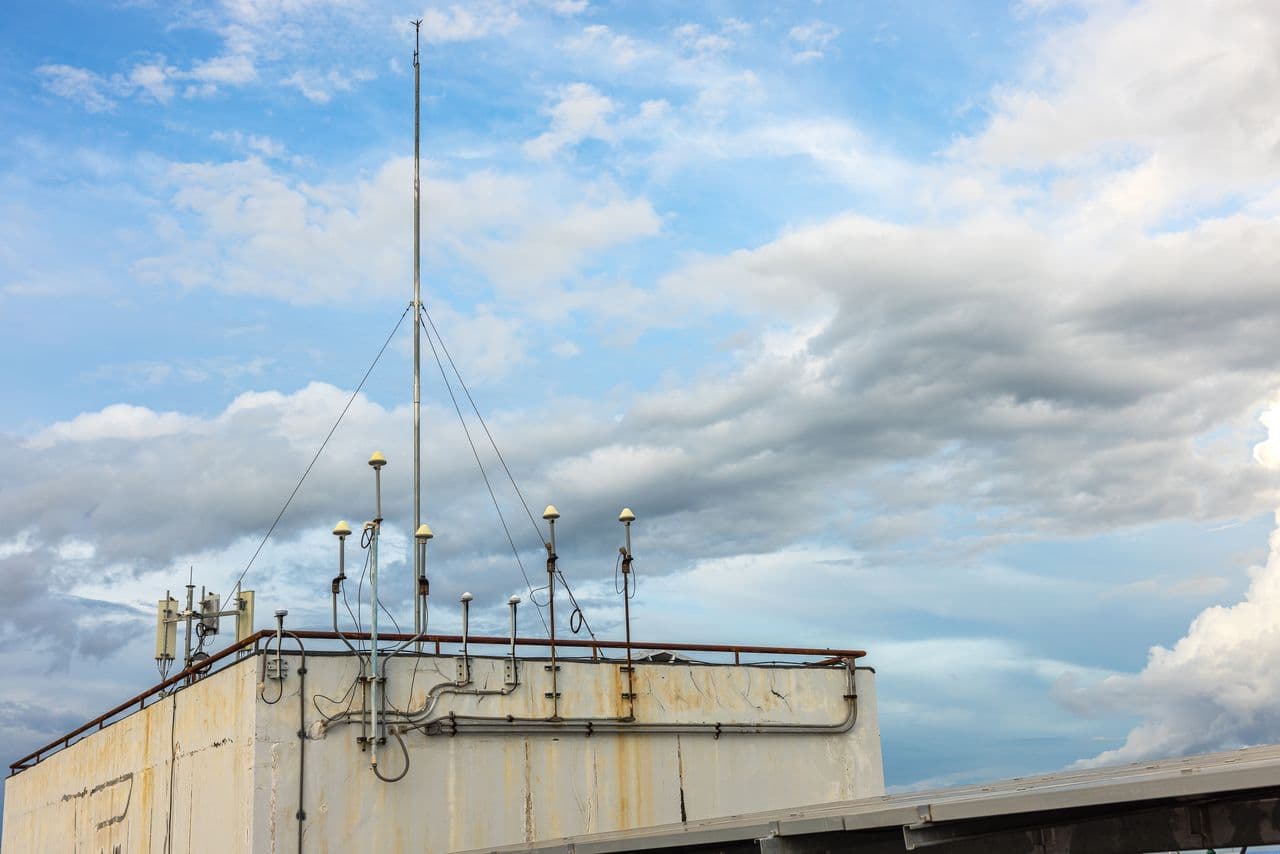
Existing rooftop and tower sites carry the carousel, so this is an addition rather than a new network.
What are you sending, and to how many?
Tell us the payload, the endpoint count, and how often it goes out. We will show you what moving it to one-to-many delivery changes.