
Media & Entertainment
Your own spectrum, and AI that keeps up with the shoot
Live production, venues, and broadcast operations run in the most congested RF environments there are. We give you dedicated wireless that an audience cannot degrade, crew communications that reach the whole site, and content operations that index themselves.
The end state
Production that does not fight for bandwidth
Live events, production, and venue operations are heading toward wireless fabrics that behave the same whether the building is empty or full: multi-camera feeds moving without contention, crews coordinating across a whole site, and content indexed and routed automatically as it is created. Most of it still runs on shared, unlicensed spectrum, which fails precisely when the audience shows up.
Wherever your operation is starting from
A touring production, a permanent venue, and a station group are at very different stages. Each of the three below is a complete deployment, not a step you have to pass through.
Fighting for spectrum
Where you are
Production runs on venue Wi-Fi or public cellular that collapses the moment an audience arrives. Crew coordination is on handheld radios with their own dead spots.
What we do
We deploy dedicated private cellular for the site or the production, so your bandwidth is yours regardless of how many phones are in the building, and put crew comms on the same network.
Dedicated wireless, manual workflow
Where you are
Connectivity is solved and reliable, but everything downstream is still manual: logging, tagging, routing feeds to the people who need them.
What we do
We add media AI on top: automatic indexing and tagging as content is captured, and routing rules that get the right feed to the right destination without someone doing it by hand.
Automated content operations
Where you are
You want distribution and content operations running continuously across sites, productions, or venues, not rebuilt for each event.
What we do
We combine private wireless, datacasting for one-to-many distribution, and edge processing so content moves and is prepared automatically across the whole footprint.
What we are usually called in to fix
Almost every problem in this vertical starts as a spectrum problem and shows up as a workflow problem.
| The challenge | How Trilogy NextGen solves it |
|---|---|
| Wireless collapses when the audience arrives | Dedicated private cellular on spectrum reserved for production, so crowd density on commercial networks has no effect on your operation. |
| Crew radios with dead spots and no interoperability | Cellular push-to-talk across the whole site, with talk groups that can be restructured as an event moves between load-in, show, and load-out. |
| Latency in live contribution feeds | Local processing at the edge and dedicated spectrum, so feeds are handled on site instead of round-tripping through a distant network. |
| Distributing the same content to many endpoints | Datacasting sends once to every receiver in the footprint, so reaching a hundred sites costs the same as reaching one. |
| Content logged and tagged by hand after the fact | AI indexing that tags assets as they are captured, so material is searchable immediately, not after a post-production pass. |
In the field
Production that does not fight for bandwidth
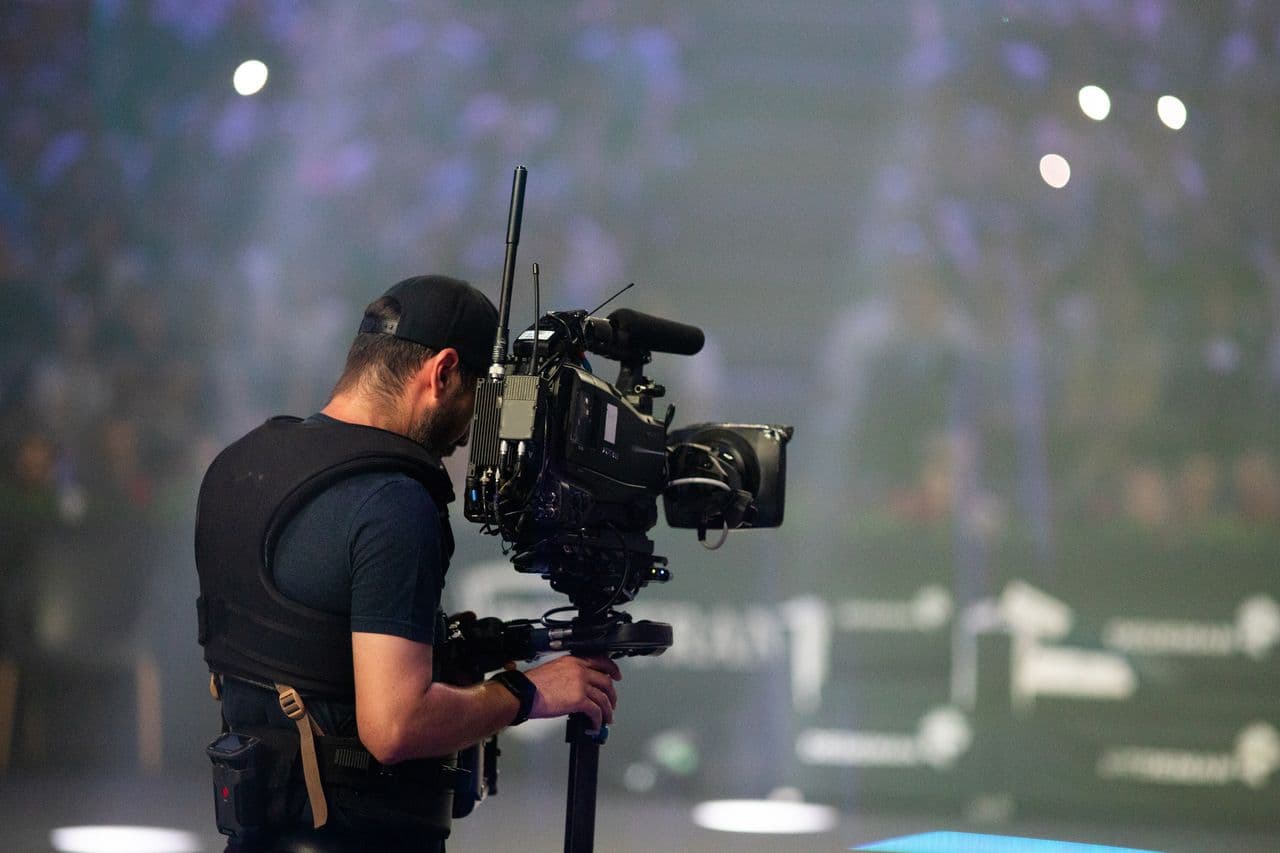
Camera feeds and comms on spectrum you control, not on whatever the venue is sharing that night.
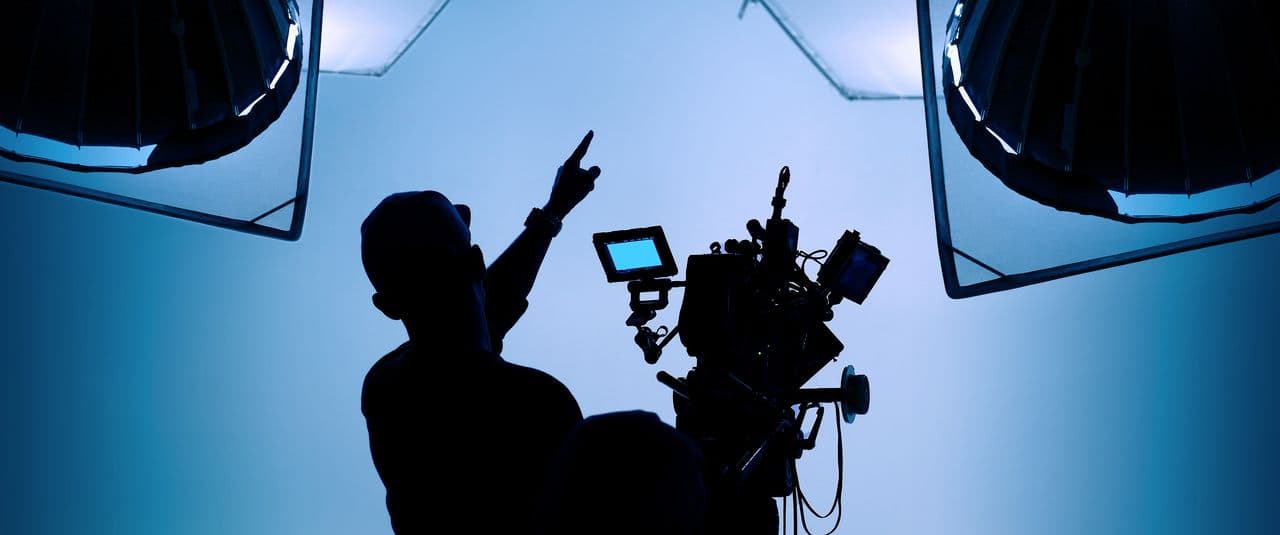
Location builds get coverage for the run of the production and come down with the set.
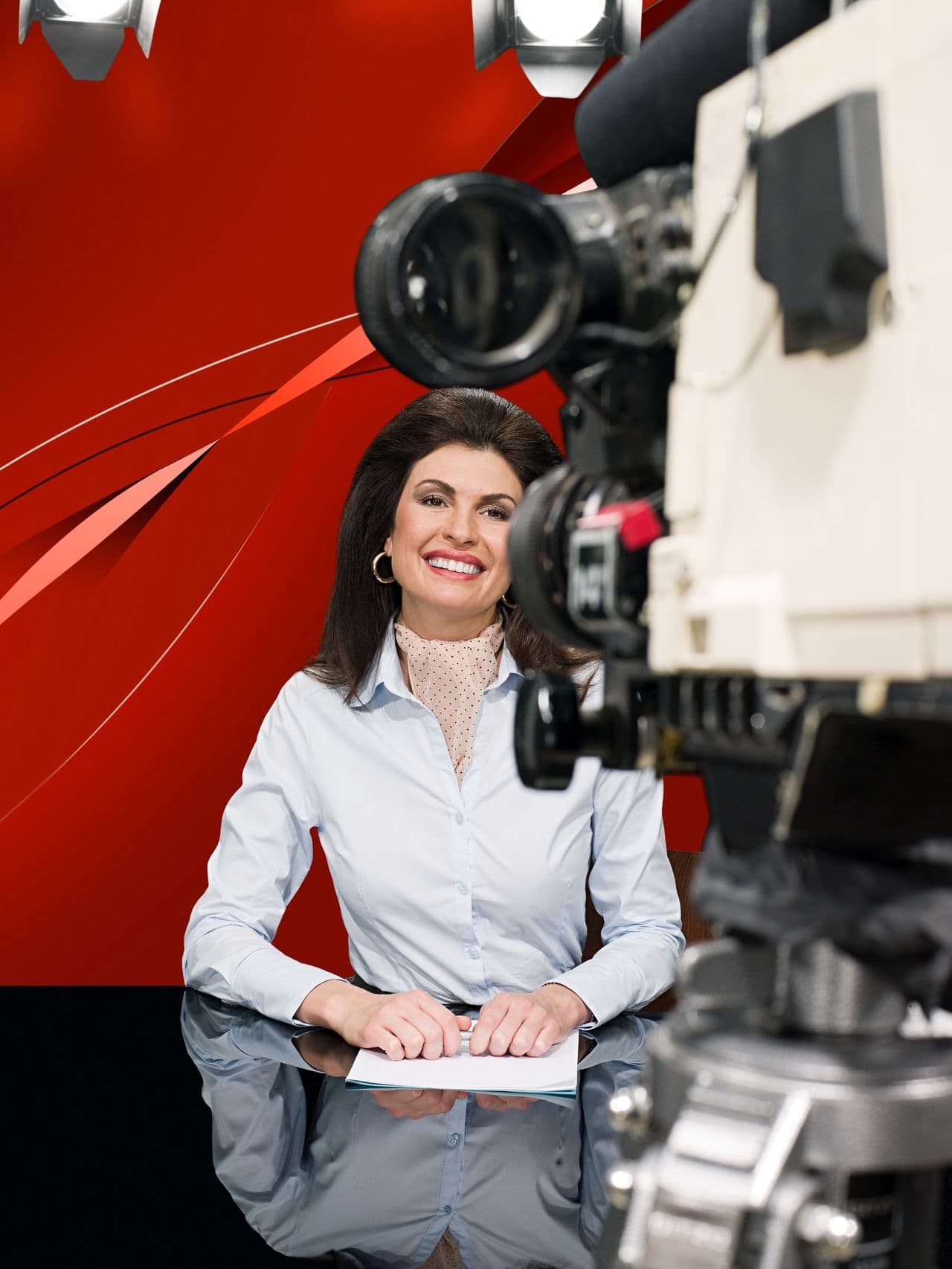
Studio, gallery and remote contribution on the same network as the floor.
Tell us about the site and the show
Venue, footprint, how many feeds, how many crew. We will design coverage that holds when the doors open.