
Robotics & Automation
Any robot. One intelligence layer. No disconnects.
We deploy multi-vendor robotics fleets and make them work as one system: AMRs, heavy autonomous tuggers, and fixed industrial arms, coordinated on a single software plane and carried by a private cellular network we build underneath.
How we solve it
Automation is an operations problem before it is a robot problem
Most failed deployments start with a vendor demo and work backwards. We start with the movements that cost you money, then choose the machines that address them.
- 1
Assess the operation
We walk the floor and the yard and map the movements that consume labor. Vendor selection comes after this, not before.
- 2
Design the fleet mix
Pallet movement, heavy towing and fixed picking are three different problems, so the answer is usually more than one vendor.
- 3
Build the network underneath
Robots stop when connectivity drops, so the coverage design spans high-bay racking, cold storage and the outdoor yard.
- 4
Orchestrate across brands
One traffic plane coordinates machines from every vendor on the floor, on open standards rather than a proprietary silo.
- 5
Integrate and hand over
We connect the fleet to your WMS, prove the flows, train your team, and stay on for managed support if you want it.
What goes wrong
Three failures that stall brownfield automation
Retrofitting automation into a working facility fails in predictable ways. These are the three we see most, and how the Trilogy NextGen stack answers each.
Multi-brand fleets deadlock each other
Today
Robots from different vendors run on separate proprietary software. At high-density aisles and intersections they have no shared view of each other, so they block, wait, and stall.
With Trilogy NextGen
Our Warehouse Intelligence System acts as the traffic conductor across brands, ingesting position telemetry via VDA 5050 and calculating collision-free paths across the whole fleet.
Wi-Fi handoffs trigger safety stops
Today
Industrial Wi-Fi handoff delays in steel-dense high-bays cause moving AMRs to hit emergency stops. Each one is a manual reset and a line stoppage.
With Trilogy NextGen
Private LTE and 5G provides deterministic cell-to-cell handover across indoor and outdoor space, so the fleet keeps moving where Wi-Fi would drop it.
Fixed arms sit idle waiting on mobile fleets
Today
Picking and palletising cells stall when the tugger or pallet mover is late, so expensive fixed automation spends its day waiting.
With Trilogy NextGen
Edge orchestration synchronizes fixed cells with arriving mobile robots in real time, cutting idle cycles at drop points and conveyor handoffs.
Partner documents have not been published yet. Run the seed script or add them in the Studio.
The technology underneath
What the standards and infrastructure make possible
VDA 5050
Open standard
The interface standard that lets AMRs from different manufacturers be coordinated by one fleet manager.
Sub-15ms
Deterministic latency
Private 5G targets low, predictable latency, which is what real-time fleet coordination depends on.
99.999%
Network availability
The availability class private cellular infrastructure is engineered for, versus best-effort industrial Wi-Fi.
Indoor + yard
One network
A single private cellular footprint covers high-bay interiors and outdoor yards without a second technology.
Figures reflect published vendor and standards specifications for the technologies we deploy, not measured results from a specific Trilogy NextGen deployment. Real-world performance depends on site conditions, spectrum, and facility layout.
What we deploy
Real machines, on real floors
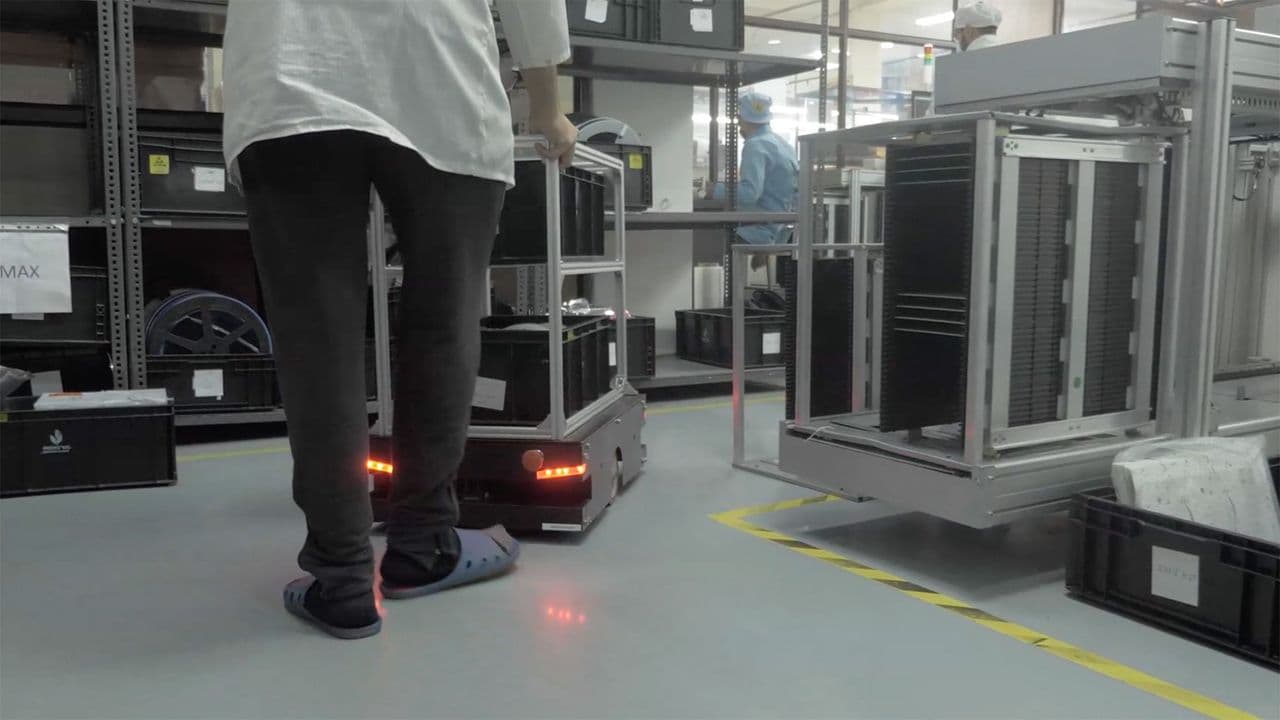
A Peer AMR working alongside people, in an aisle laid out long before anything on it was autonomous.
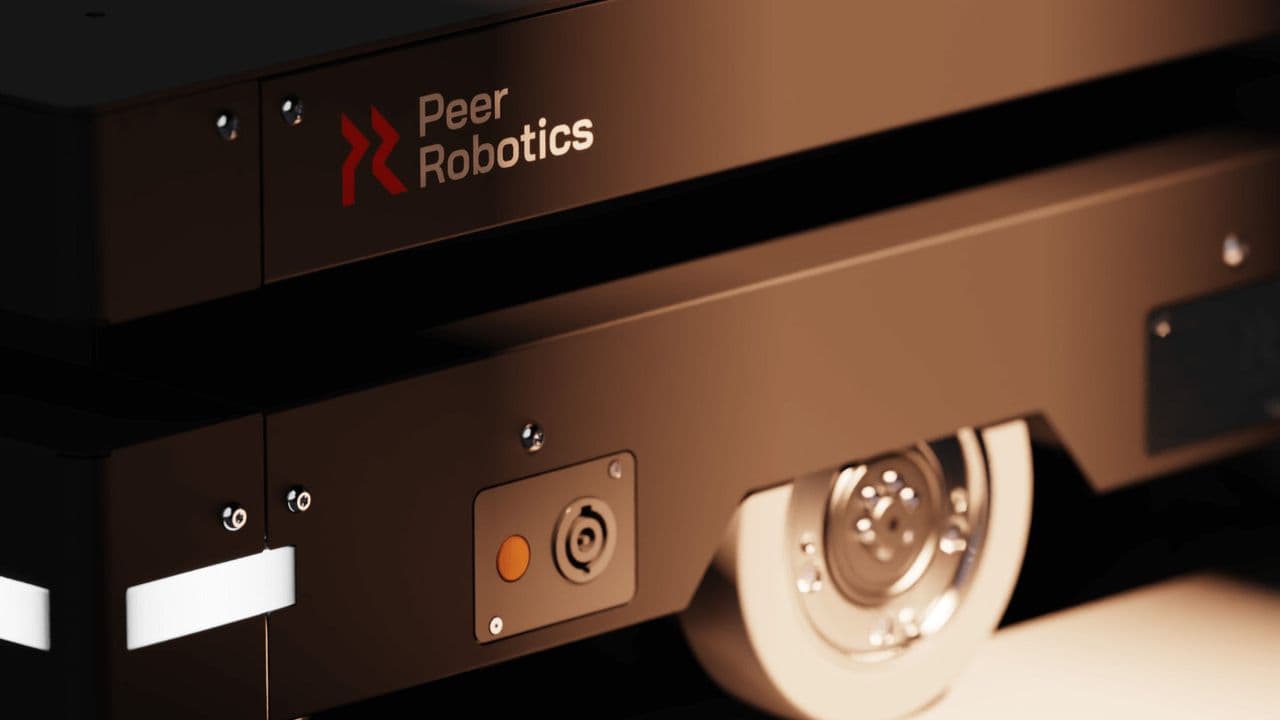
We pick machines on fit for the job, not on which vendor we happen to resell.
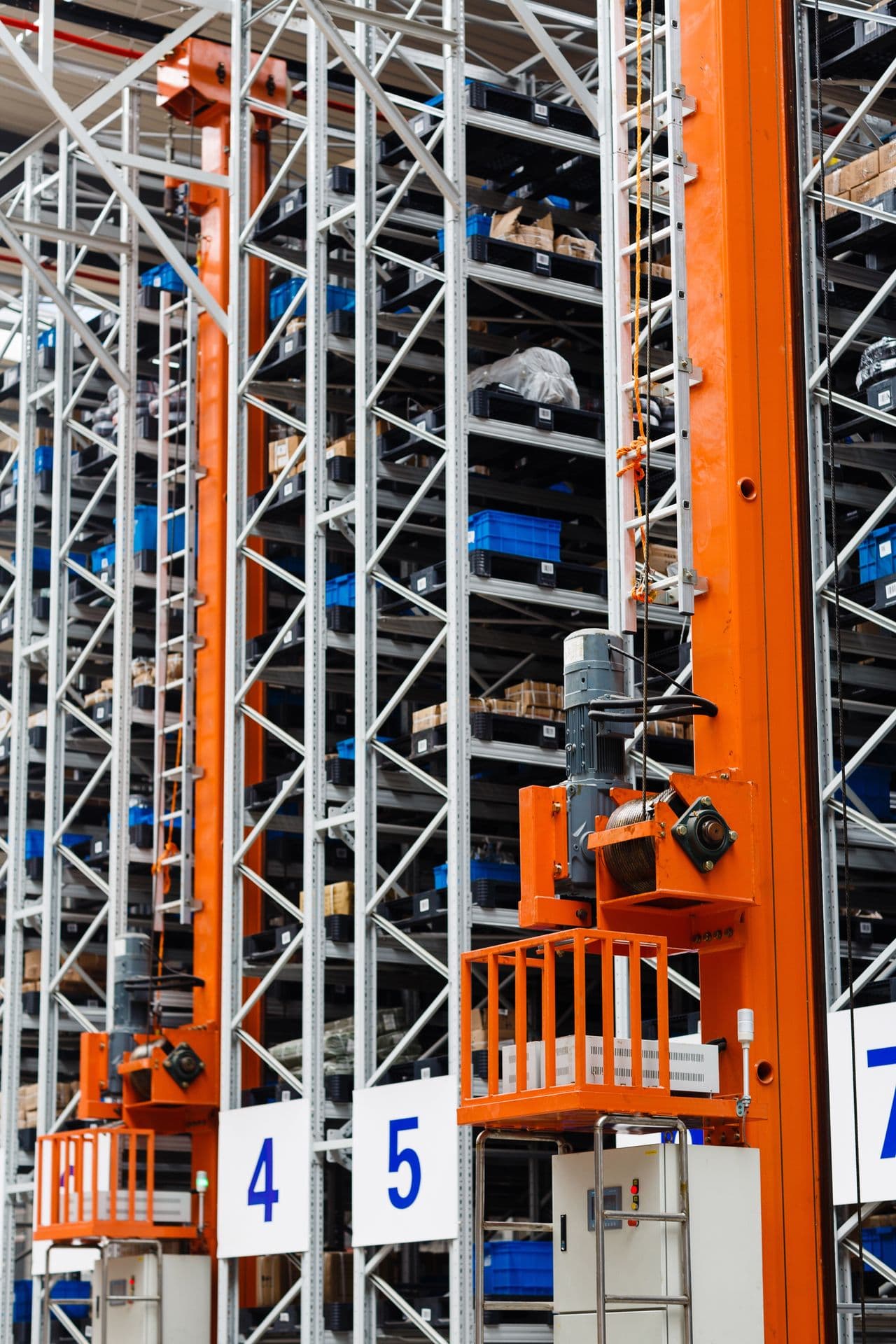
Fixed automation and mobile fleets synchronized on one plane, so neither sits waiting on the other.
Bring us your hardest material flow
Tell us what moves, how often, and what breaks. We will come back with a fleet mix, a network design, and an honest view of what automates well and what does not.