
Business-Critical Communications
Push-to-talk, and everything that has to happen around it
Instant group voice is where most teams start. What they need is one platform that also carries messaging, video, dispatch, location, worker safety and job records, on a network that covers the whole operation instead of stopping at the site boundary.
The platform
Twelve capabilities in one platform
Push-to-talk is where most teams start. Select any capability to jump to the detail, or keep reading for why operations move off radio in the first place.
Why teams move off radio
Four reasons the current setup is holding you back
Almost every conversation starts with push-to-talk. It rarely ends there, because the same operation has three other problems that the radio was never going to solve.
Coverage stops where the radio system ends
Today
Two-way radio works until someone leaves the site. Extending it means more repeaters, more licenses, and a coverage map you maintain forever.
With Trilogy NextGen
Coverage follows the cellular network instead: the private network on your site, public cellular beyond it, or both. Teams stay on one talk group across the whole operation.
Every capability is a separate system
Today
Radios for voice, phones for calls, a separate app for messaging, paper for job records, and a spreadsheet for who is on shift. None of them know about each other.
With Trilogy NextGen
One platform carries voice, messaging, video, location, alerts and job records, so a single incident is handled in one place, not reconstructed across four systems afterward.
Nobody knows where the field team is
Today
Dispatch works by calling round and asking. When something goes wrong for a lone worker, the first problem is establishing where they are.
With Trilogy NextGen
Live location, breadcrumb history and geofenced zones sit in the dispatch console, with lone worker alerts that escalate automatically instead of waiting for someone to notice.
Replacing radio means a flag-day cutover
Today
Ripping out a working radio estate in one weekend is the kind of project that gets canceled, so the old system stays in place for years.
With Trilogy NextGen
The platform interoperates with TETRA, Tetrapol and P25 through a radio gateway or the 3GPP IWF standard, so both systems talk to each other and you migrate in phases.
The platform
One application, on one device, for the whole job
Every capability below runs in the same app, administered centrally, on the network you choose. Deploy the parts you need now and turn on the rest without changing what people carry.
Voice
Push-to-talk
Instant group voice over private or public cellular, with a hardware PTT key on the handset, plus priority and preemption so the call that matters gets the floor.
Calls and telephony
VoIP calling inside the organization and out to the public network. The advanced telephony system can virtualise your phone estate, retiring DECT handsets and desk phones onto the same app.
Messaging
Secure messaging and files
One-to-one and group conversations, images, documents and voice notes, kept on your platform, not on the consumer messaging apps teams default to.
Video
Video calls and live streaming
Video calling, conferencing with screen sharing, and live streaming from the field so a specialist can see the problem without traveling to it.
Control
Dispatch console
A web console for the people coordinating: see who is on shift and where, monitor multiple channels, talk to any group, and push files or locations out to the field.
Geolocation and geofencing
Real-time position with breadcrumb history, plus geofenced zones that can trigger alerts on entry or exit and produce muster reports when a site is evacuated.
Safety
Lone worker protection
Emergency alerts with severity levels, man-down and no-motion detection, and Bluetooth beacons for position inside buildings where satellite location will not reach.
Patrol routes and checkpoints
Scheduled routes with confirmation at each point, so security and inspection rounds are evidenced, not assumed.
Work
Digital forms and workflow
Replace paper job sheets with forms completed on the device, online or off. Completed records arrive instantly with the right person and roll up into reporting.
Digital crisis briefcase
Emergency plans, site maps, contact lists and procedures available on the device during an incident, instead of in a binder at an office nobody can reach.
Governance
Compliance recording
An audit server archives communications where your regulator, insurer or legal team needs a defensible record of what was said and when.
API, SDK and IoT triggers
Integrate with the systems you already run, embed communications into your own apps, and let sensors raise alerts or start a workflow automatically.
Deployment
Your network, your infrastructure, your data
The questions that decide whether this can be adopted at all usually have nothing to do with features.
Cloud or on-premise
Run it as a subscription service, or entirely inside your own infrastructure where policy or a regulator requires it.
Data in your jurisdiction
Communications data is stored within your own jurisdiction, so it is subject to your local privacy and data protection law, not someone else's.
On any network
Works over the private LTE or 5G network we build for your site, over public cellular, or across both as people move between them.
Alongside your radios
Radio gateway and 3GPP IWF interoperability with TETRA, Tetrapol and P25, so the transition happens in phases and nothing goes dark.
Devices
The right hardware for the environment
A dock supervisor, a process engineer in a hazardous zone and an operations manager need three different devices. We supply, configure and manage all of them on one system.
Rugged handsets
Samsung XCover, Sonim, RugGear, Honeywell, CrossCall
Hardened Android devices with a dedicated PTT key and an SOS button, built for daily site use and loud environments.
Intrinsically safe devices
ecom by Pepperl+Fuchs
ATEX and IECEx certified handsets for explosion-protected zones in chemical, oil and gas, and process environments.
Standard phones and tablets
Android and iOS
Supervisors and office staff join the same talk groups from the device they already carry, with a web client for the desk.
Audio accessories
Remote speaker mics, headsets
Shoulder-mounted mics that keep audio at head height, and talk-through headsets that work without removing hearing protection.
Bluetooth PTT buttons
Wearable floor control
Low-energy buttons that take the floor or raise an emergency alert with the handset still holstered or inside protective clothing.
Beacons and vehicle kits
Indoor position, in-cab
Beacons for position inside buildings, plus in-vehicle docking and charging for drivers and field service crews.
Device availability varies by region and by the network you are running on. We will confirm what is supported for your sites.
Where it fits
Built for operations where communication is not optional
The common thread is a workforce spread across a site or a territory, where a missed message has a cost measured in downtime, compliance exposure or someone's safety.
Utilities and energy
Crews across a wide service territory, on-call duty management, and communications that survive an incident affecting your own systems.
Oil, gas and chemical
Certified intrinsically safe devices for hazardous zones, muster reporting, and a route off legacy radio on regulated sites.
Airports and transport
Multidisciplinary teams on one platform, replacing separate radio, DECT and telephone systems across a large operational footprint.
Manufacturing and industrial
Maintenance response, shift coordination, and safety alerting on the same private network your plant already runs.
Facilities and property
Patrol routes, digital job records and real-time coordination across buildings, with reporting that shows the work was done.
Municipal and public sector
Wide-area coordination between departments, with priority handling and a defensible record of communications during an incident.
In the field
One channel, whatever the environment
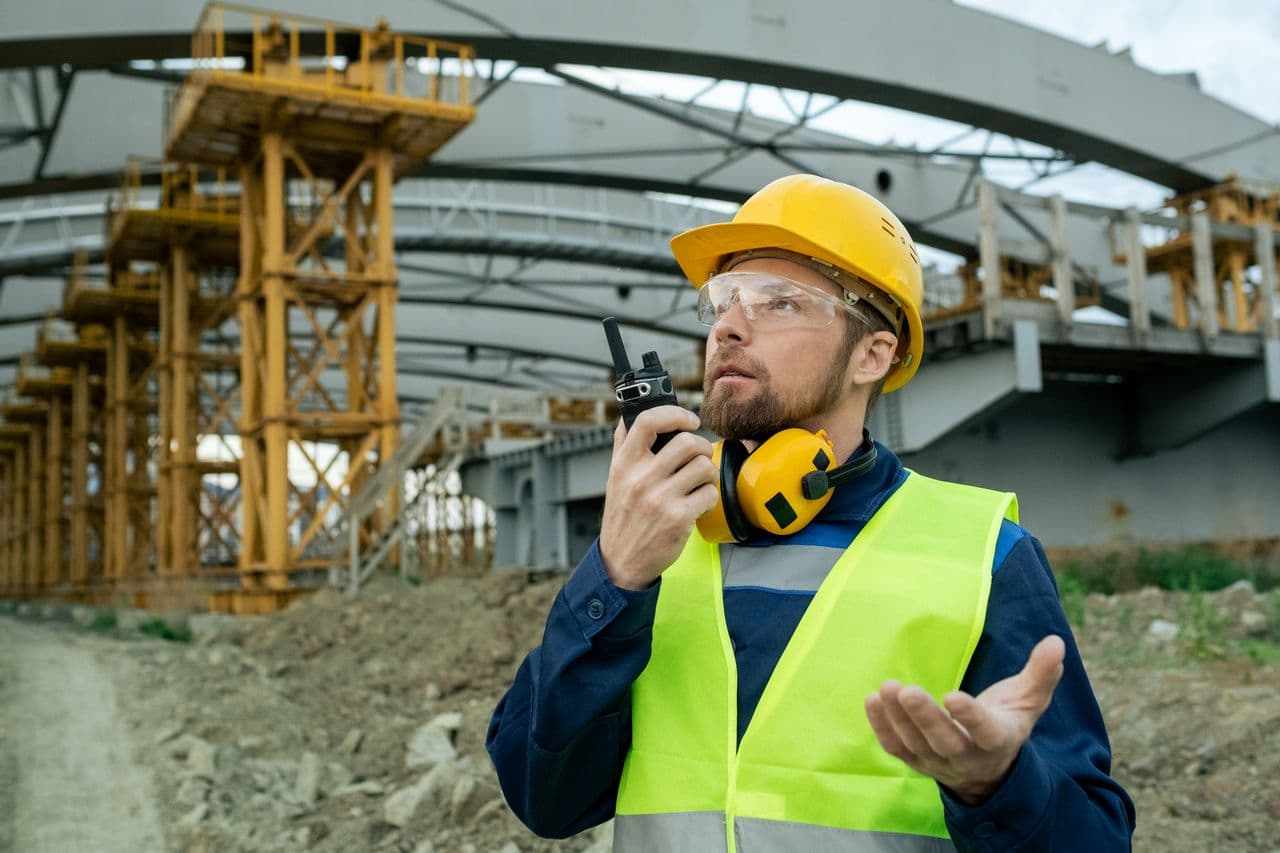
The same channel reaches a crew on site, a driver in a vehicle and a dispatcher at a desk.
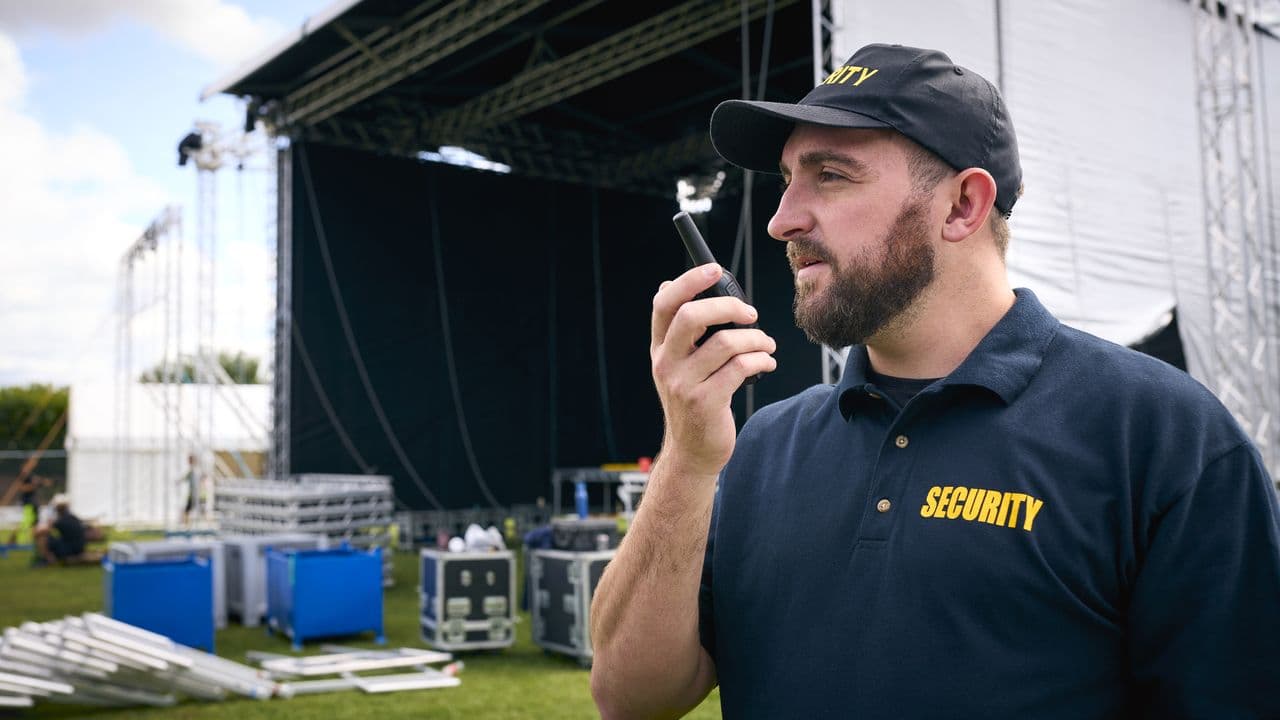
Dispatch, video and lone worker alerts run from the handset the team already carries.
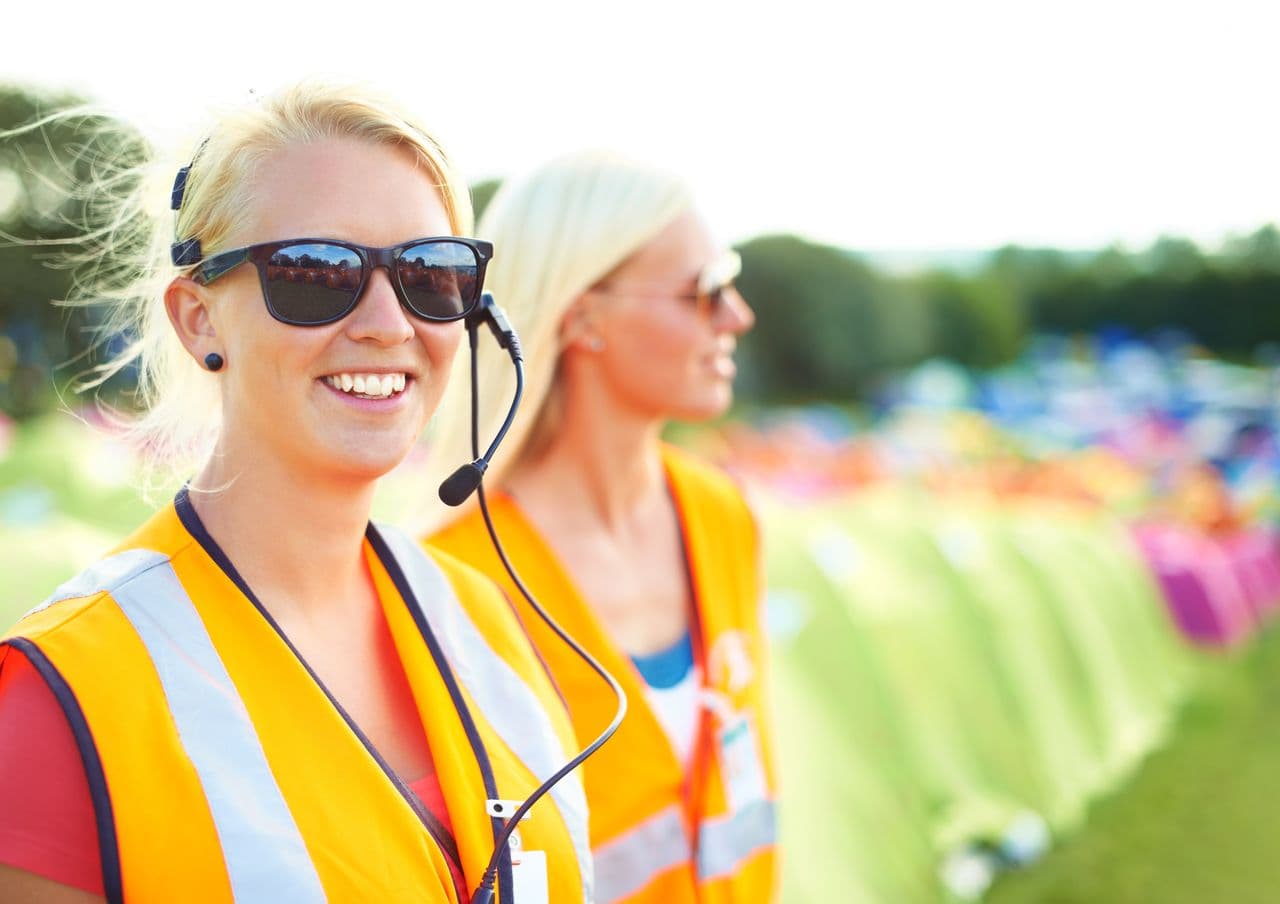
Temporary deployments come up on the same platform as the permanent estate.
Start with a demo on your own devices
Tell us who needs to talk to whom, where they work, and what you are running today. We will propose a device mix, a talk group structure, and a realistic migration path off whatever is in place.